


When it comes to casino games, two crucial factors determine the outcome: Return to Player (RTP) and volatility. These metrics can significantly impact a player’s experience and bankroll. To make informed decisions, it’s essential to comprehend these concepts. For instance, the black magic slots offered by various online casinos often have distinct RTP and volatility levels, which can affect the gaming experience.
In the UK, the Gambling Commission ensures that all licensed casinos provide accurate information about RTP and volatility. This transparency allows players to choose games that suit their preferences and budget. With the rise of online casinos, players can now access a wide range of games, each with its unique characteristics.
What is Return to Player (RTP) and Why It Matters
Defining the Theoretical Payout Percentage
RTP, also known as the payback percentage, is the amount of money a game is designed to pay out over a large number of spins. It’s calculated as a percentage of the total bets placed. For example, a game with an RTP of 95% will pay out £95 for every £100 bet. However, this doesn’t mean that a player will win £95 every time they bet £100.
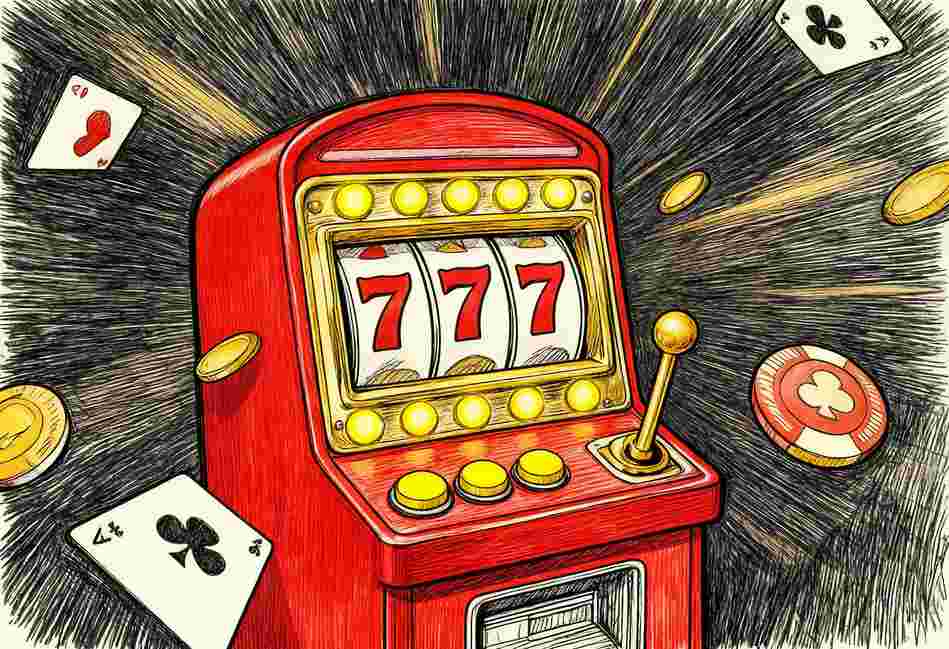
Theoretical RTP is usually calculated over millions of spins, which can take years to achieve in real-world gameplay. This is why actual payouts may vary significantly from the theoretical RTP. It’s essential to understand that RTP is a long-term average, not a guarantee of short-term results.
How RTP is Calculated Over Millions of Spins
The calculation of RTP involves simulating millions of spins and recording the results. This process helps to identify patterns and trends in the game’s behavior. By analyzing the data, game developers can adjust the RTP to achieve the desired level of payout. RTP is typically tested and verified by independent third-party auditors to ensure fairness and compliance with regulations.
In the UK, the Gambling Commission requires casinos to display the RTP of each game, making it easier for players to make informed choices. This transparency has led to increased trust and confidence in the online gaming industry.
The Difference Between Theoretical and Actual RTP
While theoretical RTP provides a general idea of a game’s payout potential, actual RTP can vary significantly. This discrepancy is due to the random nature of the game and the limited number of spins played. It’s crucial to understand that actual RTP may be higher or lower than the theoretical RTP, and it’s essential to monitor the game’s performance over time.
A table comparing RTP and volatility across popular casino games can help illustrate the differences:
| Slot Machines | 92-98% | Medium-High | 10-50% | Low |
| Blackjack | 98-99% | Low-Medium | 40-60% | High |
| Roulette | 94-97% | Medium | 30-50% | Low |
Understanding Volatility (Variance) in Casino Gaming
Low Volatility: Frequent but Smaller Wins
Low volatility games offer more frequent wins, but the payouts are generally smaller. These games are suitable for players who prefer a steady stream of wins, even if they’re not significant. Low volatility games often have an RTP close to the theoretical value, as the payouts are more consistent.
Examples of low volatility games include slots with multiple paylines and frequent bonus features. These games can provide a more relaxed gaming experience, as the wins are more frequent and predictable.
Medium Volatility: The Balanced Approach
Medium volatility games strike a balance between win frequency and payout size. These games offer a mix of smaller and larger wins, making them appealing to a wide range of players. Medium volatility games often have an RTP that’s closer to the average, as the payouts are more variable.
Many popular slots and table games fall into the medium volatility category, as they offer a balanced gaming experience that caters to different playing styles.
High Volatility: The Hunt for Massive Jackpots
High volatility games offer less frequent wins, but the payouts can be substantial. These games are suitable for players who are willing to take risks and wait for the big win. High volatility games often have an RTP that’s lower than the theoretical value, as the payouts are less consistent.
Examples of high volatility games include progressive slots and high-stakes table games. These games can provide a thrilling gaming experience, as the potential payouts are significant, but the risk of losing is also higher.
The Relationship Between RTP and Volatility
Why High RTP Doesn’t Always Mean Frequent Wins
A high RTP doesn’t necessarily mean that a game will pay out frequently. Volatility plays a significant role in determining the payout frequency, and a game with high RTP can still have low volatility. It’s essential to consider both RTP and volatility when choosing a game, as they can significantly impact the gaming experience.
Modern video slots often balance both metrics, offering a high RTP and medium volatility. This combination provides a engaging gaming experience, as the payouts are frequent enough to keep players interested, but not so frequent that they become predictable.
How Modern Video Slots Balance Both Metrics
Game developers use various techniques to balance RTP and volatility in modern video slots. These techniques include adjusting the payout tables, modifying the bonus features, and introducing new mechanics. The goal is to create a game that’s engaging, rewarding, and fair, while also meeting the regulatory requirements.
By balancing RTP and volatility, game developers can create a wide range of games that cater to different player preferences. This diversity has contributed to the popularity of online gaming, as players can choose from a vast array of games that suit their style and budget.
Identifying the “Hit Frequency” Factor
Hit frequency refers to the number of times a game pays out per spin. This factor is closely related to volatility, as games with high hit frequencies tend to have lower volatility. Identifying the hit frequency can help players understand the game’s behavior and make informed decisions about their bankroll and playing style.
By analyzing the hit frequency and volatility, players can develop strategies that suit their goals and risk tolerance. This approach can help players maximize their winnings and minimize their losses, while also enjoying a more engaging gaming experience.
How to Choose Games Based on Your Bankroll and Strategy
Best Combinations for Casual Players
Casual players should focus on games with low to medium volatility and a high RTP. These games offer a more relaxed gaming experience, with frequent wins and a lower risk of significant losses. Examples of suitable games include slots with multiple paylines and frequent bonus features.
By choosing games that match their bankroll and playing style, casual players can enjoy a more enjoyable and rewarding gaming experience. It’s essential to set a budget and stick to it, as this will help players avoid overspending and maintain a positive gaming experience.
Strategies for High Rollers and Jackpot Hunters
High rollers and jackpot hunters should focus on games with high volatility and a high RTP. These games offer the potential for significant wins, but also come with a higher risk of losses. Examples of suitable games include progressive slots and high-stakes table games.
By developing a strategy that takes into account the game’s volatility and RTP, high rollers and jackpot hunters can maximize their chances of winning. It’s essential to set a budget and manage risk, as this will help players avoid significant losses and maintain a positive gaming experience.
Using RTP and Volatility to Manage Your Casino Budget
Understanding RTP and volatility is crucial for managing your casino budget. By choosing games that match your bankroll and playing style, you can minimize the risk of significant losses and maximize your winnings. It’s essential to set a budget and stick to it, as this will help you maintain a positive gaming experience and avoid overspending.

By considering both RTP and volatility, players can develop a strategy that suits their goals and risk tolerance. This approach can help players enjoy a more engaging and rewarding gaming experience, while also maintaining a healthy and responsible attitude towards gaming.
Author
James Sterling, Senior iGaming Analyst and Casino Strategy Expert with over 12 years of experience in mathematical modeling for gaming software and professional bankroll management.
FAQ
Can a casino change the RTP of a game?
Casinos cannot change the RTP of a game without the approval of the game developer and the relevant regulatory authorities. RTP is a fixed value that’s determined during the game’s development and testing phase.
Any changes to the RTP would require a new version of the game to be developed and tested, which would need to meet the regulatory requirements.
Is high volatility better than low volatility for winning money?
High volatility is not necessarily better than low volatility for winning money. The choice between high and low volatility depends on your playing style, bankroll, and risk tolerance.
High volatility games offer the potential for significant wins, but also come with a higher risk of losses. Low volatility games offer more frequent wins, but the payouts are generally smaller.
Does a 98% RTP mean I will win back £98 for every £100 I bet?
No, an RTP of 98% does not mean you will win back £98 for every £100 you bet. RTP is a long-term average, and actual payouts can vary significantly from the theoretical value.
The RTP is calculated over a large number of spins, and the actual payouts may be higher or lower than the theoretical value.
How can I find the RTP and volatility of a specific slot machine?
You can find the RTP and volatility of a specific slot machine by checking the game’s information section or the casino’s website. Most casinos provide this information to help players make informed decisions about their gaming experience.
Some game developers also provide this information on their website or in the game’s documentation.
Does the volatility level change if I increase my bet size?
No, the volatility level does not change if you increase your bet size. Volatility is a characteristic of the game, and it remains the same regardless of the bet size.
However, increasing your bet size can affect the risk of losses, as you’ll be wagering more money on each spin.